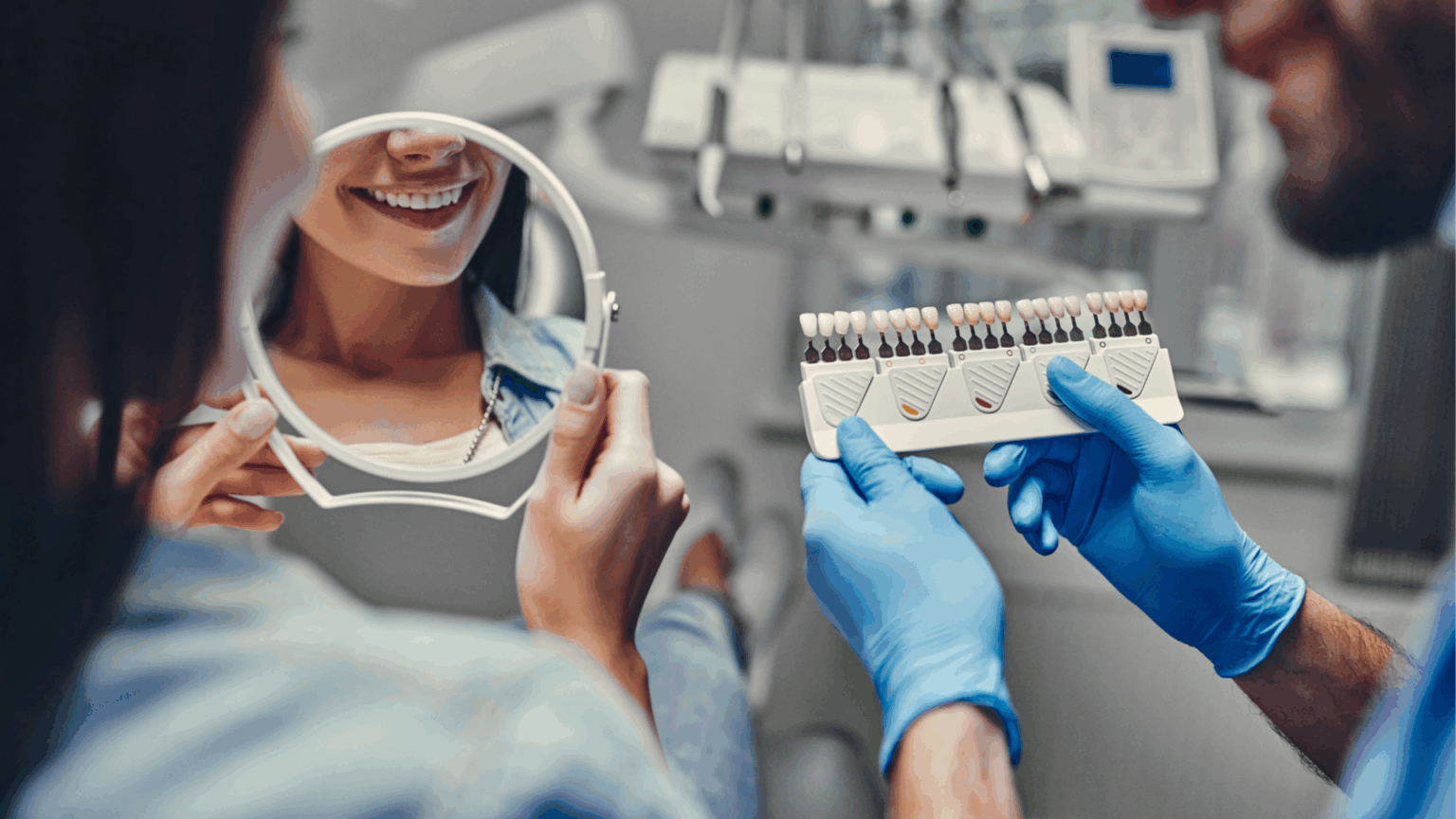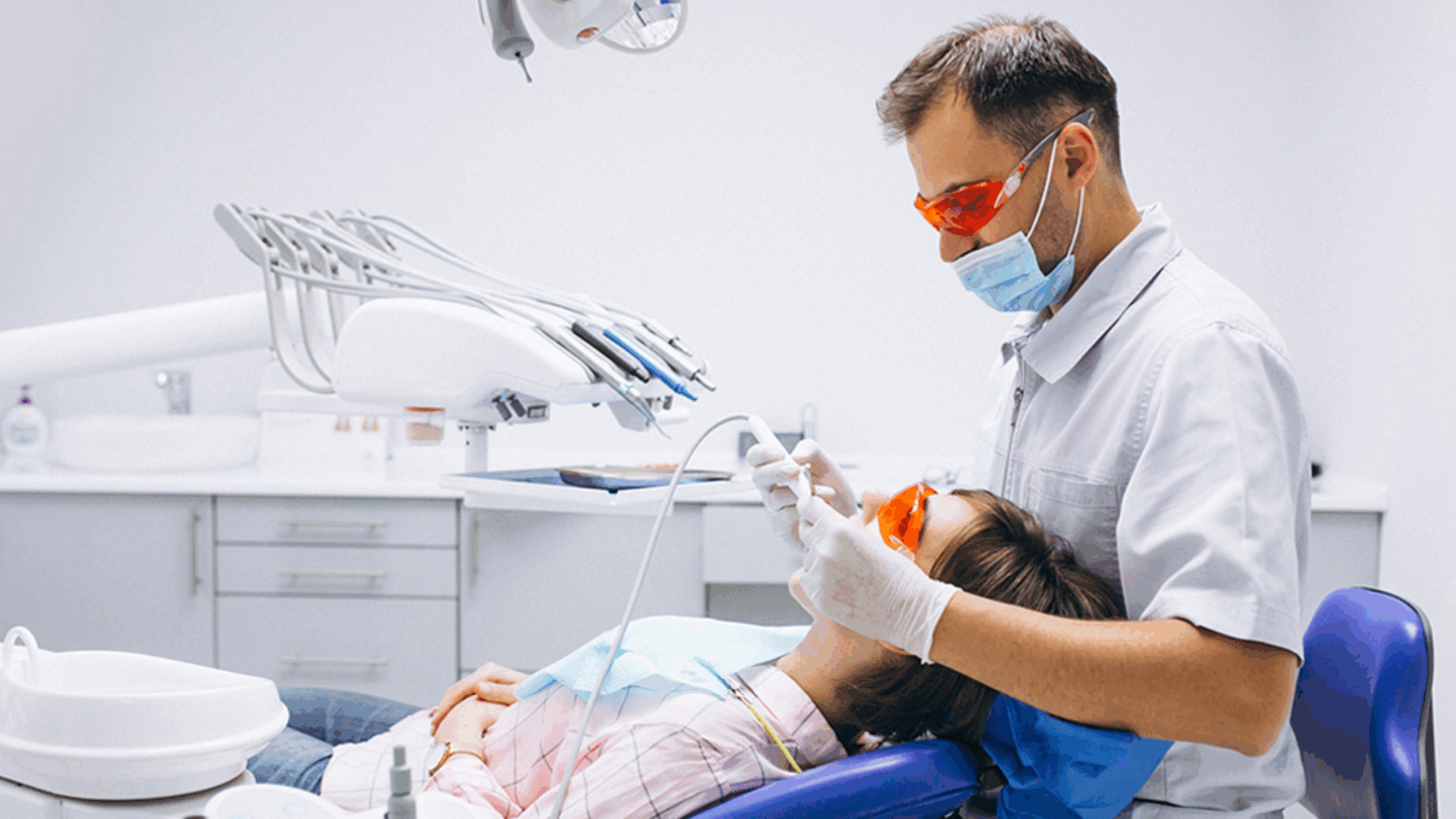

A bright, confident smile never goes out of style. Over time, daily habits such as morning coffee, afternoon tea, or the occasional glass of red wine can cause teeth to look dull or discolored. If you are ready to restore your sparkle, professional teeth whitening at Laguna Family Dentistry in Laguna Beach, CA is one of the quickest and most effective ways to refresh your smile and boost your confidence.
Not all stains are the same, and some respond better to whitening than others. Knowing which type of stain you have can help you understand what results to expect and which treatment will work best for you.
Below, our team at Laguna Family Dentistry walks you through the main types of tooth stains, which ones whitening can remove, and what to do if your stains run deeper.
Types of Tooth Stains
Tooth discoloration generally falls into two categories: extrinsic stains (on the surface) and intrinsic stains (within the tooth). Each responds differently to whitening treatments.
1. Extrinsic Stains (Surface Stains)
These stains affect the outer enamel and are caused by external factors such as:
- Coffee and tea
- Red wine
- Cola or dark sodas
- Tobacco use
- Dark spices like curry or paprika
Extrinsic stains often appear yellow or brown and typically respond very well to professional whitening treatments.
2. Intrinsic Stains (Under the Enamel)
Intrinsic stains occur deeper inside the tooth, making them more difficult to treat with whitening alone.
Common causes include:
- Natural aging
- Excessive fluoride exposure (fluorosis)
- Certain medications like tetracycline
- Tooth trauma or injury
Because these stains come from within, whitening may only lighten them slightly. In many cases, alternative cosmetic treatments are more effective.
3. Age-Related Stains
As we age, enamel naturally thins and dentin darkens, creating a combination of intrinsic and extrinsic stains. Professional whitening can improve these stains, though results vary based on enamel health and stain depth.
Stains Professional Whitening Can Remove
Professional whitening uses safe, concentrated bleaching agents (carbamide peroxide or hydrogen peroxide) to break apart stain molecules on the enamel.
Whitening works best for:
- Coffee and tea stains
- Red wine stains
- Tobacco stains
- Food-related stains (berries, tomato sauces, etc.)
If your stains are mostly on the surface, you can expect a visibly brighter smile, often after just one appointment.
Stains Whitening May Not Remove
Some types of discoloration are too deep or internal for traditional whitening to improve:
- Medication-related stains (e.g., tetracycline)
- Fluorosis (white or brown spots)
- Trauma-related discoloration
- Dental restorations (crowns, fillings, veneers, bonding)
Restorations do not change color, so they may appear darker next to newly whitened teeth. In these situations, your dentist can guide you toward more suitable cosmetic options.
Alternative Cosmetic Treatments for Stubborn Stains
If whitening isn’t the best option, several cosmetic dentistry treatments can provide long-lasting, natural-looking results.
1. Dental Veneers
Thin porcelain or composite shells that cover the front of your teeth, ideal for intrinsic stains, chips, or uneven shapes. Veneers are highly stain-resistant and offer dramatic, long-term improvements.
2. Dental Bonding
A tooth-colored resin used to correct small imperfections and localized discoloration. Bonding is a fast, affordable alternative to veneers for mild staining.
3. Dental Crowns
Recommended for severely discolored or damaged teeth. Crowns fully cover the tooth, restoring color, function, and appearance.
4. Internal Bleaching for a Single Tooth
If a single tooth has darkened because of trauma or a previous root canal, internal bleaching targets the inside of the tooth. This treatment can lighten areas that surface whitening cannot reach.
How to Maintain Your Whiter Smile
Professional whitening results last longest when you maintain good habits. Here’s how to keep your teeth bright:
- Rinse with water after drinking coffee, tea, or wine
- Use a straw for darker beverages
- Brush twice daily with fluoride toothpaste
- Avoid tobacco products
- Keep up with routine dental cleanings
- Schedule whitening touch-ups as recommended
Preventive dentistry can make a big difference in how long your results last.
Why Choose Professional Teeth Whitening at Laguna Family Dentistry?
While store-bought whitening kits are popular, they often provide uneven or temporary results. At Laguna Family Dentistry, your whitening treatment is tailored to your smile using professional-grade products and advanced technology designed to:
- Minimize sensitivity
- Deliver faster results
- Achieve a more even, natural brightness
You leave our office with a smile that looks refreshed and a renewed sense of confidence.
Should You Consider Teeth Whitening?
Professional teeth whitening is a powerful way to enhance your smile, especially for stains caused by food, drinks, or tobacco. However, deeper or internal discoloration may require alternative cosmetic treatments like veneers, bonding, or crowns for the best results.
A personalized consultation at Laguna Family Dentistry in Laguna Beach, CA will help you choose the best approach for your unique smile. With the right care and guidance, your brighter, healthier-looking smile can last for years.